Whether it is business or pleasure, it is always a great moment to head out on a road trip. The promise of a change of scenery is among the paramount lures of the open road.
Every driver expects to have a headache-free trip. Occasionally, the driver may get soo much pre-occupied on the obligations at hand. Thus, they may end up forgetting to perform a little upkeep before hitting the pavement.
In general, the most critical aspect of your vacation is having a smooth errand. Nailing down on the key areas of your automobile will increase the chances of arriving at your destination in order. In this article, we have listed the prerequisites that need to be addressed adequately
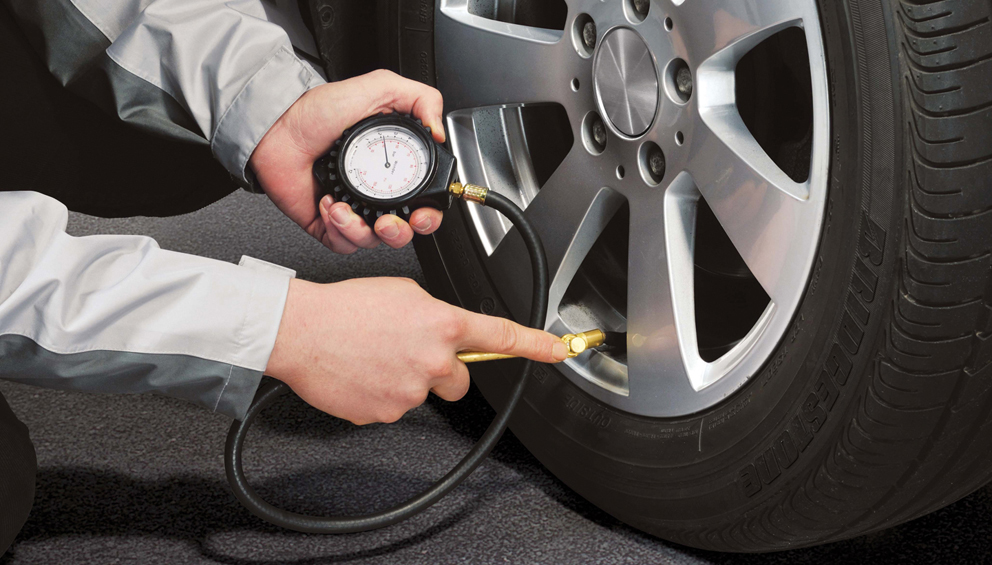
1. Check the tires for trends and pressure

Read the rubber. Inspect tires to make sure they're not unevenly worn. Also, it is important to check the amount of tread left on all the four tires. Your tires should accomplish maximum traction in all weather conditions.
Another significant checkup is the tire pressure. Ensure the figures are set on counts to the recommendations outlined on the driver fuel filler door.
2. Lighting

It's an offence in law to have a defective lighting, especially before a night journey. Obligatory lights need being frequently checked. These lights are - Side and tail lights.
• Headlamps
• Direction indicators
• Stop lights and a rear number-plate light
When fitted, the long-range lights, hazard warning lights, and fog lights should also be working optimally.
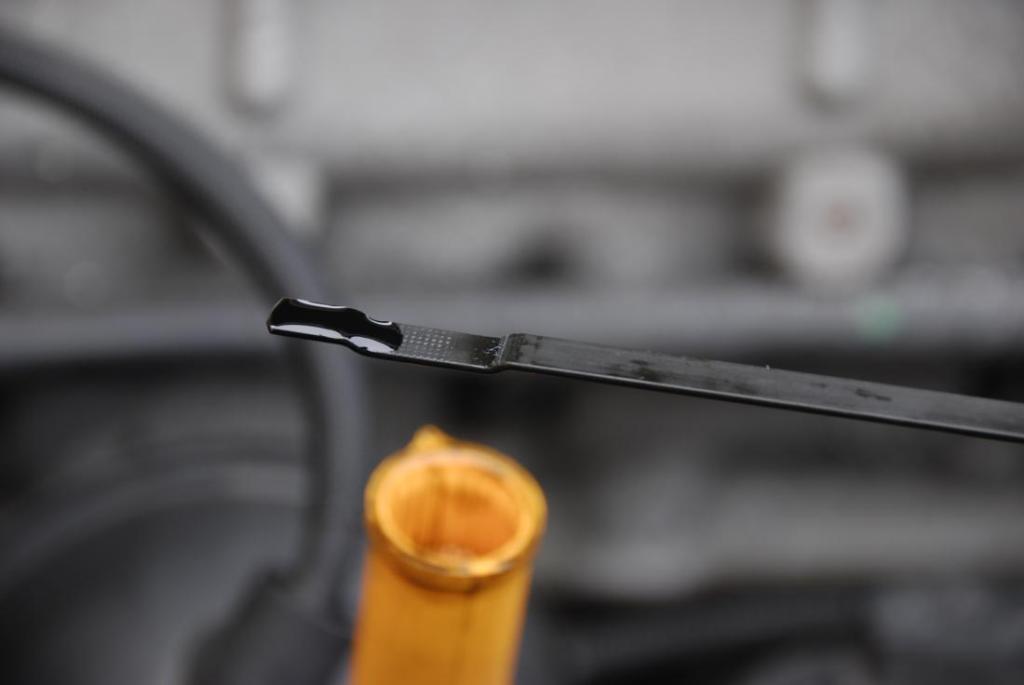
3. Engine oil and coolant

No doubt that you read the manufacturer's oil-change manual, don't you? Check the date due to change the engine oil. Be sure to use only the right-quality oil to avoid unnecessary engine malfunction.
Also, it costs nothing to check if the under-hood coolant reservoir is topped off. However, it's not a good idea to mix up different coolants. The owners’ manual recommends using the coolant type that is already in the engine.
4. Check for leaks in the hydraulic hoses

Check and replace any blisters or bulges on the hoses which are a sign of a weakness in the wall. Check all hose connections to ensure that all clips are cutting into the rubber.
As a precaution, ensure your glove compartment has a new hose-patch kit. When pinhole leaks in the hydraulic line, relieve the pressure before taking any further step. Of course, no driver will enjoy being stranded in the middle of nowhere.
5. Brake System

Brake fluid is a hygroscopic mineral, meaning it absorbs moisture as it ages. Moisture in the braking fluid will have a corrosive effect on braking components. Check the colour of the brake fluid which tends to turn to Marple syrup when it attracts moisture.
If you are at it and the condition is questionable, address it right away. If you haven't had a flush at it for some time, top off the brake reservoir to the full mark. You may also resolve on having your service station inspecting the car's brake pads and replacing them in case they are worn out.
6. Gas Cap

Every driver should ensure the gas cap is securely fastened to the fuel tank. It plays an important role in spillage of gases, evaporation, and contamination of the gas tank.
To help the driver monitor the gas cap, the car has a check fuel cap lighting. The lighting illuminates as soon as it senses a default in the fuel cap.
Quickly determine the problem in case the check fuel cap lighting comes on. In some cases, it may require the services of a top-rated mobile mechanic for easy replacement and repair.
7. Catalytic Converter

A catalytic converter is an essential component in automobiles as we all raise to conserve the environment. The converter transforms the exhaust fumes into a less poisonous gas. If your automobile is equipped with the OBDII Code Reader, it will be easier to discover any malfunction.
It's also important to visually check the converter. You should be able to light it up well to trace any loose material.
A malfunctioning catalytic converter is not an issue you can afford to ignore. It may result in the fuel mileage dropping unrealistically. The acceleration may be compromised, or the car fails to start at all.
How to check your car with OBDII Scanner
https://www.youtube.com/watch?v=h9-6dkjMmQ4
To get started, turn off the engine. Locate the Data Link Connector under the dash. If you have trouble locating the connector, refer to the owner's manual.
Plug the OBDII Code Reader cable to the DLC pot. This pot is usually located underneath the steering column.
Most of the scanners need to be powered externally so switch on the ignition cylinder. If your device does not auto-activate itself, turn it on. The scanner should begin communicating with the computers in your automobile.
At this point, press the "scan" button to begin the code retrieval process. However, the button layout differs in different models, and it is therefore important to refer the device's handbook.
Read through the trouble codes displayed on the screen. Some of the OBDII code Reader devices support a device-to-desktop connectivity. It's a great privilege if your scanner supports connectivity as the codes will be easily covered in your desktop handbook.
Understand the trouble codes
Some of the generic codes apply to all OBDII Code Reader models. However, there are some manufacturer specifics which you need to learn. Referring to the repair manual can also give a meaningful information about those subsystem codes.
Important Note
Accessing the trouble codes will not turn off the car engine light. The engine light interacts with all sensors throughout your car. If the recorded malfunction is unfixed, the light will always be on.
In conclusion, even experienced road trippers get caught up in an emergency situation. Before departing take a detailed approach to everything you need for your journey. In fact, the list evolves into a spectacular wayfinding idea to make your endeavours even more accomplishing.